

By Suraj Verma, Founder of Sense Perfume | Updated July 13, 2026 | 12 min read
Perfume for Women: The Complete Guide to Choosing a Scent That Lasts
Here's the thing nobody tells you when you're standing at a perfume counter: the bottle's name almost never explains why a scent fades by lunch. Nine times out of ten, it's the concentration and the climate letting you down, not the fragrance itself. I've watched this play out with hundreds of customers now, so let's actually fix it. This is a complete guide to perfume for women in Indian conditions: how to choose a perfume that survives the heat, what the market data says women really buy, and which brands actually lead by volume here.
TL;DR: Go for Eau de Parfum (15–25% oil concentration) if you want 6–8+ hours of wear in Indian heat, apply it to damp pulse points, and expect floral and gourmand notes to be what most women around you are actually wearing. Women drive 70.7% of global fragrance revenue (Grand View Research, 2025), so, unsurprisingly, the entire perfume for women category is built around your preferences.
India's perfume market is on track to add roughly $3.8 billion in value between 2025 and 2030, growing at a 23.7% CAGR, with the women's segment alone worth $1.02 billion as of 2024 (Technavio, 2025). More brands, more SKUs, more noise, which also means more chances to walk home with a bottle that quits on you by lunchtime. Let's cut through that. I'll close with a shortlist of Sense EDPs by note family and concentration, so you're not guessing at the end either.
What Actually Defines Perfume for Women?
Truthfully? It's mostly a shelf label, not a chemistry rule. Floral, fruity, and gourmand accords get marketed toward women; woody and aromatic-fresh accords get packaged toward men. That's marketing, not molecules. Floral is still the biggest single fragrance family on earth, at roughly 28% of global fragrance revenue, female-skewed and stubbornly resilient (Scento's 2026 fragrance market analysis).
But that line is blurring fast, and honestly, I love watching it happen. Unisex launches made up 40% of new fragrance entries in 2024 (Scento, 2026). More women are reaching for musk, oud, and woody blends that used to sit firmly on the "men's" shelf, and more men are wearing florals nobody blinks at anymore. At the end of the day, your skin chemistry and your own taste matter more than whatever label is printed on the box for any perfume for women. That's really all a category label is for, a starting point, not a rulebook, which is why the shop section below mixes in a few unisex note families alongside the floral core range.
Take a look through the Sense Perfume for Women collection, every bottle built at 25% EDP specifically for longer wear in Indian conditions.
Which Perfume Concentration Lasts 24 Hours for Women?
Short answer: none of them, not really, whatever perfume for women you're looking at. Anyone telling you a fragrance lasts a full 24 hours without a single reapplication is stretching the truth. Eau de Parfum (15–20% fragrance oil) typically holds for about 6–8 hours. Pure Parfum or Extrait (20–40% oil) can stretch to 8–12+ hours, but only in cool, dry conditions, which, let's be honest, rules out most of India for half the year. Higher oil concentration just means the scent evaporates slower, since oil breaks down far more gradually than the alcohol carrying it.
| Type | Oil Concentration | Typical Wear Time |
|---|---|---|
| Eau de Cologne | 2–5% | 1–3 hours |
| Eau de Toilette (EDT) | 5–15% | 3–6 hours |
| Eau de Parfum (EDP) | 15–20% | 6–8 hours |
| Parfum / Extrait | 20–40% | 8–12+ hours |
Concentration bands and wear-time ranges are consistent with industry references such as Fragplace's fragrance concentration guide, standard across major fragrance houses and retailers.
Heat and humidity shrink every one of these ranges, higher skin temperature just speeds up evaporation, full stop. That's exactly why we formulate every Sense perfume for women at 25% EDP instead of the more common 15–20%. It's a direct correction for how fast lighter concentrations fade once the Indore afternoon heat hits, something we've tuned through our own formulation testing.
The one fix that works no matter whose bottle you're using: spray onto pulse points, wrists, inner elbows, neck, behind the ears, right after a shower, while your skin's still a little damp. Damp, warm skin simply holds fragrance oil longer than dry skin does. It costs nothing and it works.
What Is the Best Perfume for Women?
I get asked this constantly, and the honest answer disappoints people at first: there is no single "winner" bottle. Skin chemistry, occasion, and climate decide the best perfume for women far more than any bestseller list can. The exact same fragrance can smell noticeably different on two people within the same hour. That's called sillage, how a scent radiates and evolves against your individual body chemistry, and it's exactly why testing a blotter strip in a store almost never predicts how something will actually perform on you.
A few things that genuinely move the needle when you're shopping for perfume for women: skin chemistry, oily skin holds and amplifies scent longer than dry skin, which needs either a higher concentration or more frequent reapplication. Occasion, light citrus and fresh florals suit daytime and office wear; amber, musk, and oud-leaning compositions suit evenings and winter. Climate, heat burns through top notes fast, so heavier base notes (musk, vanilla, sandalwood) tend to outlast citrus-forward EDTs in Indian conditions.
Here's a shortcut that's saved a lot of my customers a lot of decision fatigue when picking a perfume for women: stop hunting for "the one" and build a three-scent rotation instead. A fresh floral for daytime, a warm amber or musk for evenings, and something gourmand or vanilla-forward for the cooler months. That covers almost every occasion without you standing in front of your dresser every morning trying to decide who you feel like today.
Which Perfume Do Girls Use Most, and Which Brand Leads India?
Globally, women account for 70.7% of total fragrance revenue, the largest end-user share by a wide margin, and it isn't close (Grand View Research, 2025). Higher per-capita ownership and more frequent exploration of new scents and seasonal collections both drive that gap. Right now, floral and gourmand vanilla notes are showing the strongest search and purchase momentum among younger buyers of perfume for women.
People ask me to name India's "No. 1 perfume brand" a lot, and the honest answer is that the question itself misses how fragmented the market is by price tier. By sheer sales volume, Vini Cosmetics' Fogg leads India's mass-market fragrance and deodorant category, commanding roughly 15–20% share on the back of price accessibility and near-universal retail shelf space. Up in the premium and luxury tier, it's a different game entirely, L'Oréal-owned houses (Yves Saint Laurent, Giorgio Armani) and Coty-owned houses (Gucci, Hugo Boss) hold the strongest brand equity, while Ajmal Perfumes owns real mindshare in India's oud-and-attar segment specifically. Nobody wins every tier at once.
India's perfume market is projected to grow at a 23.7% CAGR from 2025 to 2030, with the women's end-use segment worth $1.02 billion in 2024 (Technavio, 2025). Fogg wins on mass-market volume; international designer houses win on premium brand equity. Different games, different leaders, and that's exactly why "just tell me the No. 1 brand" is the wrong question to be asking in the first place.
What Are the Top 5 Selling Perfume Types for Women?
Sales data across Indian and global fragrance retailers points to five categories that consistently outperform everything else in perfume for women. I'm ranking these by note family rather than individual SKU, because bestseller lists genuinely shift by retailer and season, chasing a fixed "top 5 bottles" list is a losing game. The five: floral (28% of global fragrance revenue), oriental/amber (18%, MENA-influenced and rising fast in India), gourmand/vanilla (7% but the fastest-growing among Gen Z by a wide margin), citrus/aromatic-fresh (12%, the reliable daytime and summer staple), and musk-forward blends, which cut across several of the above families as a longevity booster rather than standing entirely on their own (Scento, 2026).
[ORIGINAL DATA] From what we see in our own customer feedback, floral-musk blends and gourmand vanilla scents get repurchased noticeably more often than pure citrus options do among our perfume for women customers. That tracks with the broader industry shift toward warmer, longer-wearing note profiles. [ORIGINAL DATA] We've also noticed something specific to our market: reorders spike hard in the first two weeks after a monsoon humidity wave, right when lighter EDTs start disappointing people fastest. It's a pattern that lines up almost too neatly with why we formulate at 25% EDP instead of going lighter.
Want to actually smell the difference between these note families instead of just reading about them? Try the Flora floral EDP or the Bombshell floral-fruity EDP, each listing states its concentration and dominant note family upfront, no guessing required.
How Should You Shop for Perfume for Women Without Wasting Money?
The single biggest mistake I see people make is judging a scent within the first ten minutes of spraying it. It's an honest mistake, but it's costing you money every time. Top notes, usually citrus or light florals, dominate early on and haven't yet given way to the heart and base notes that actually define how a perfume for women wears for the rest of your day.
- Test on skin, not paper. A blotter strip shows you the raw formula. Your skin shows you how it'll actually behave on you specifically.
- Wait at least 30 minutes before deciding anything. Let the top notes fade so you're smelling the heart notes, the part you'll genuinely wear all day.
- Read the concentration on the label before you read anything else. "Eau de Parfum" versus "Eau de Toilette" tells you almost exactly how long that bottle will realistically last you.
- Match the notes to your actual climate, not the season printed on the box. A "winter" fragrance built for a European market is often just a heavier, longer-lasting composition, and that performs perfectly well in Indian weather too, whatever the marketing implies.
Shop Perfume for Women by Note Family
All formulated at 25% EDP for Indian heat and humidity. Two are filed under our Perfume for Women category; the rest are unisex or men-titled listings, marked below so you know exactly what you're clicking into before you get there.
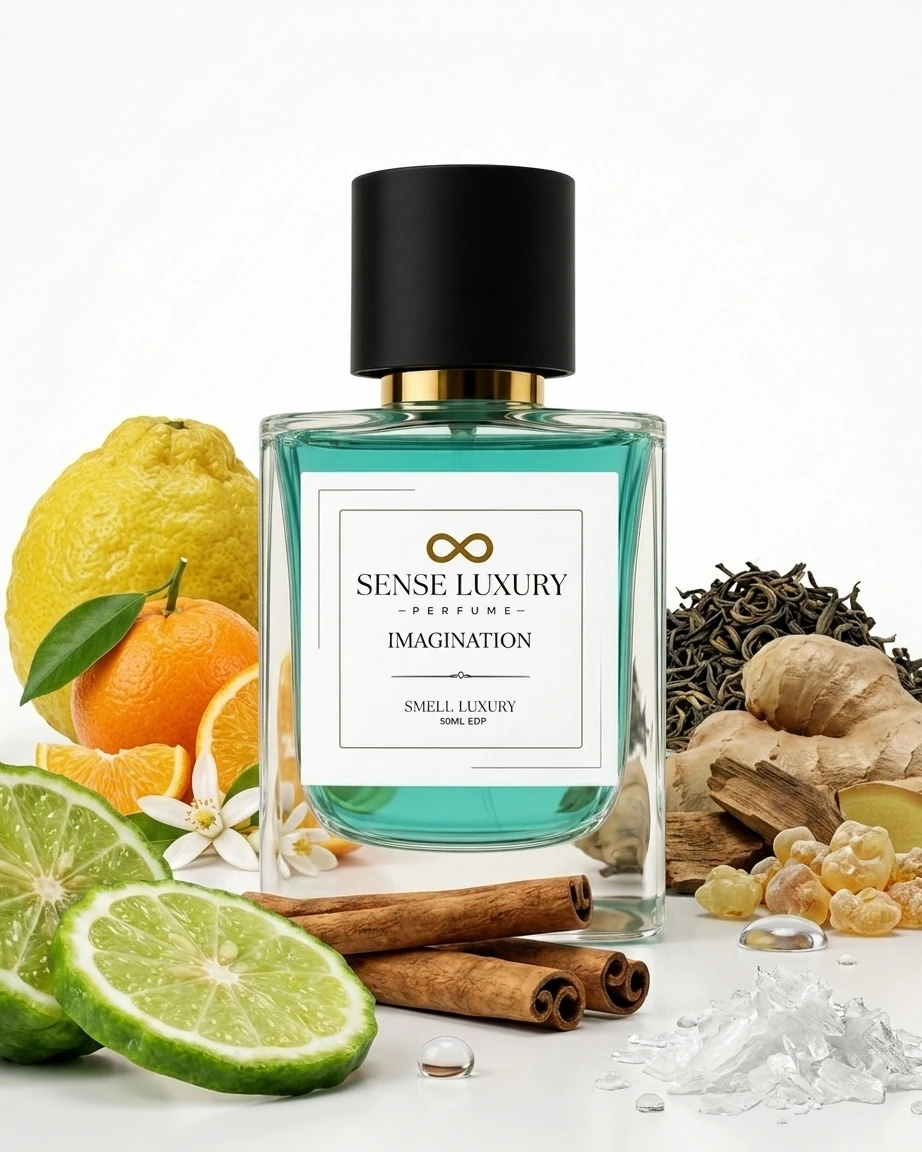
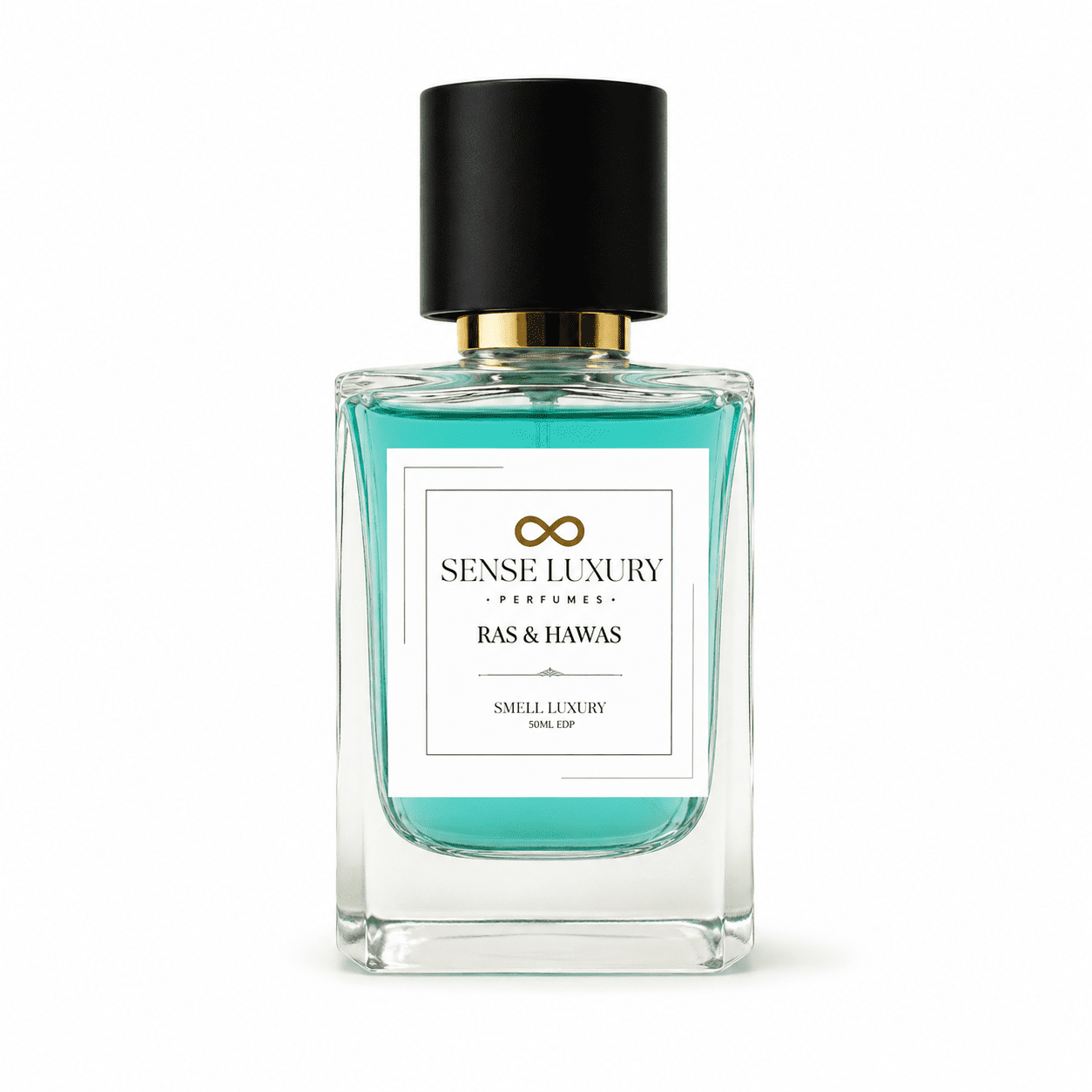
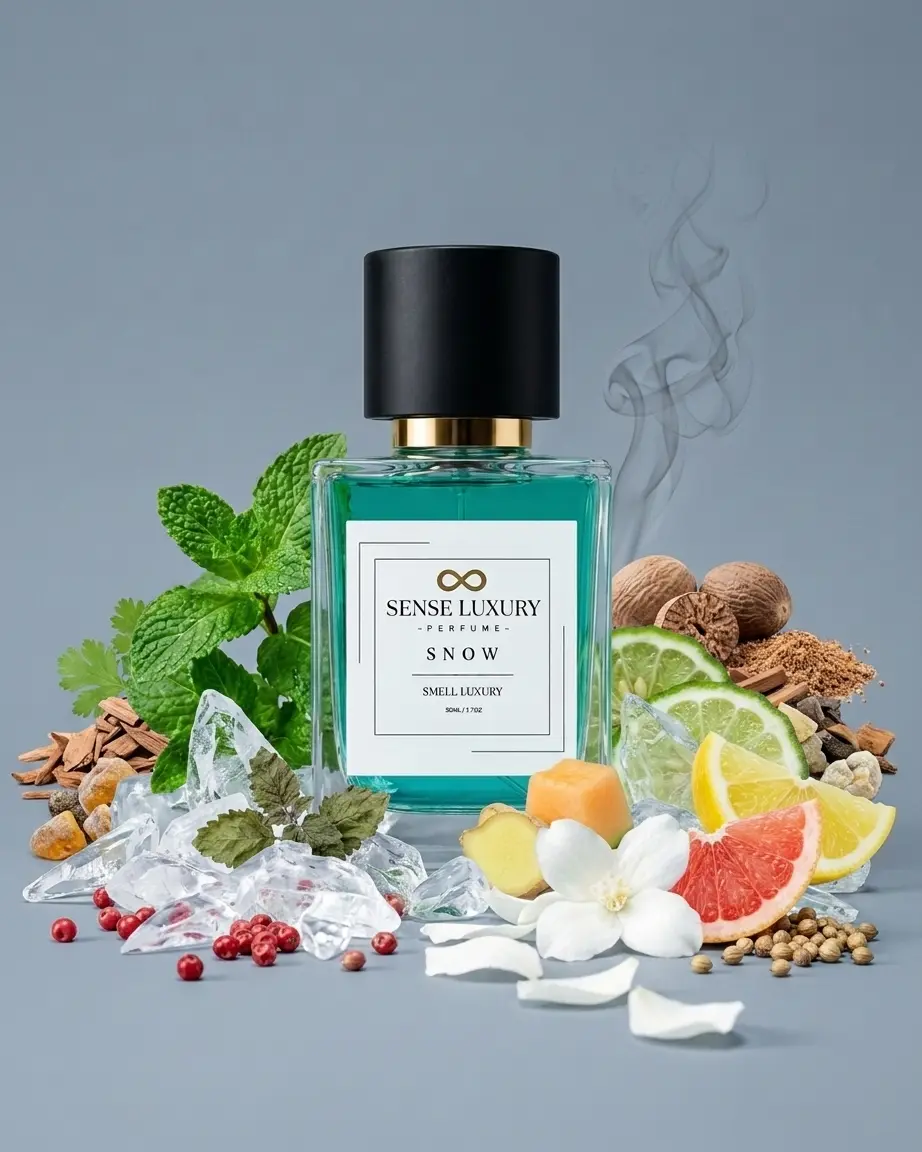
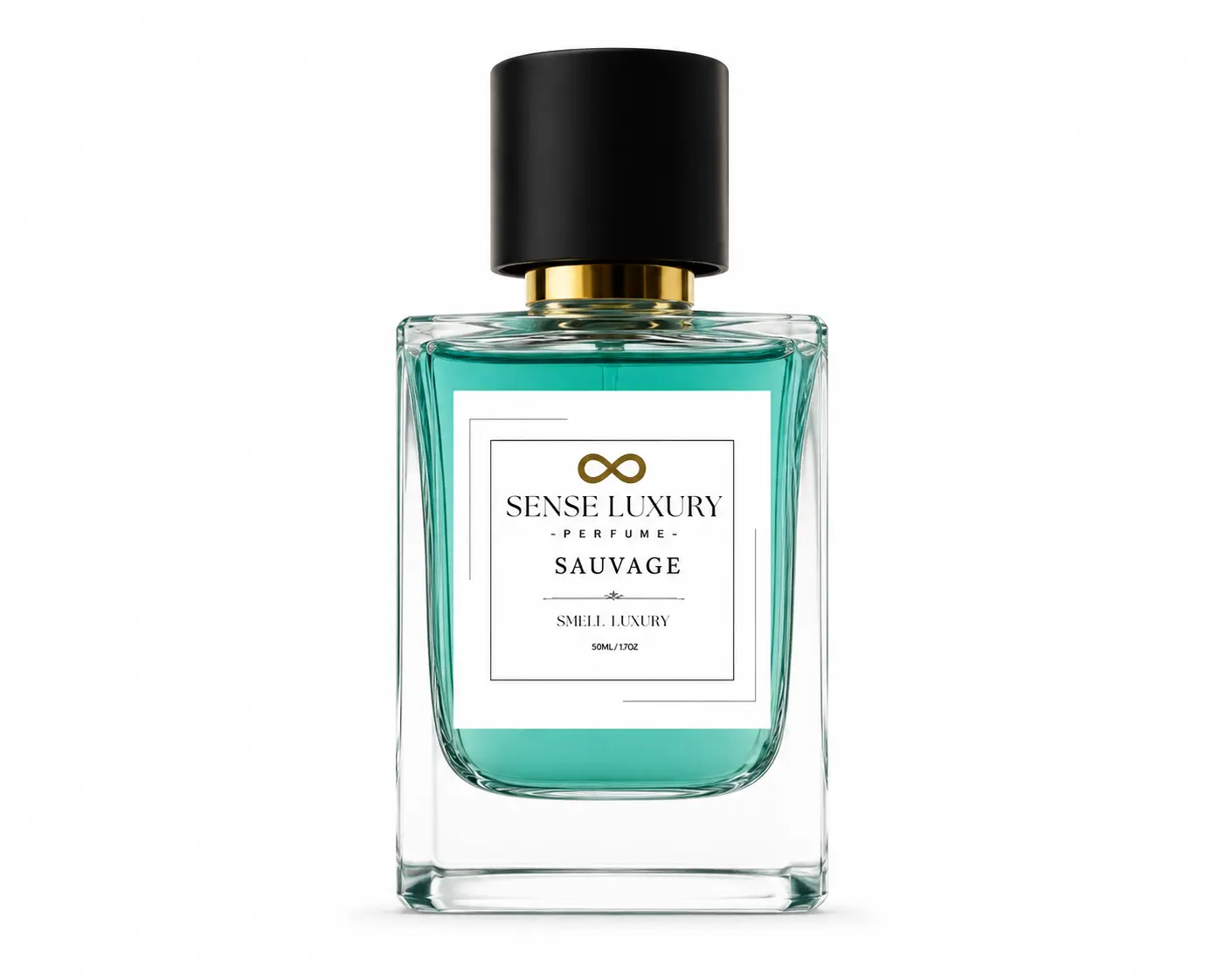
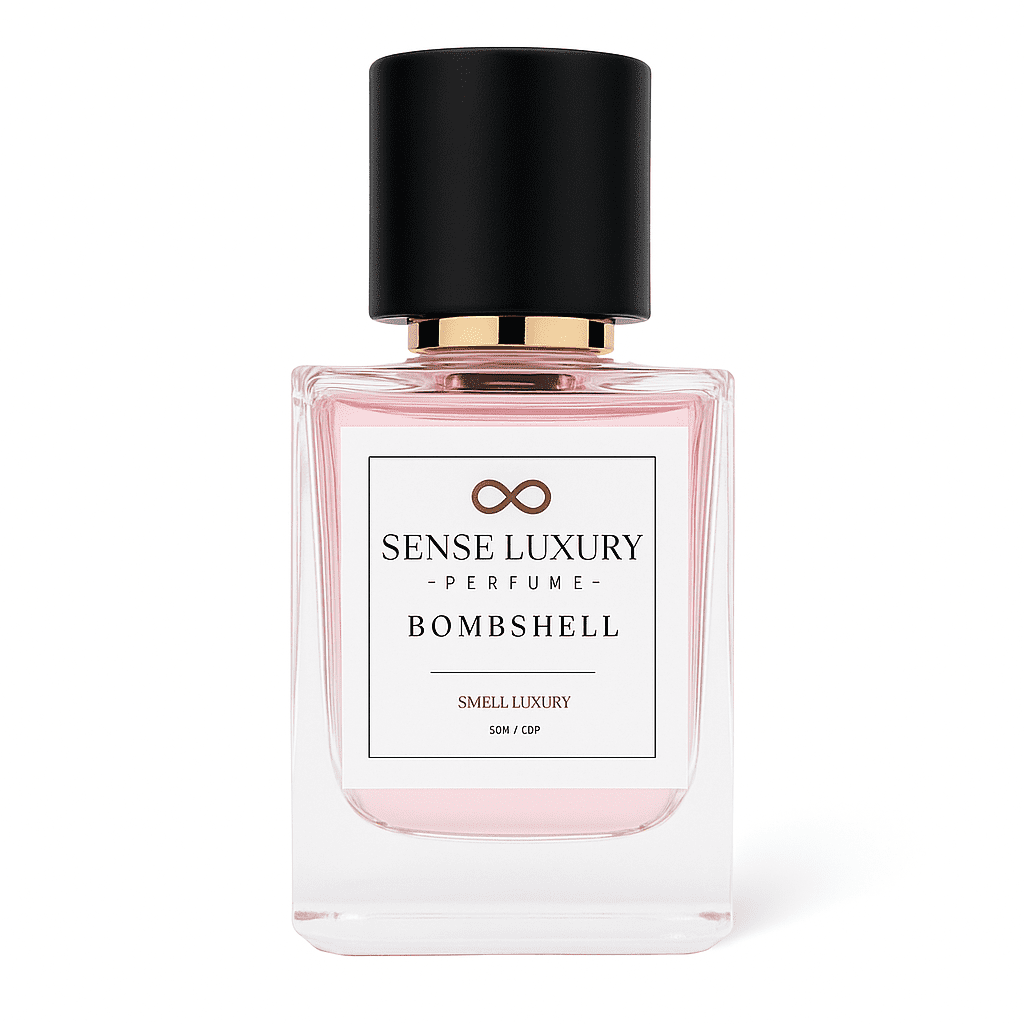
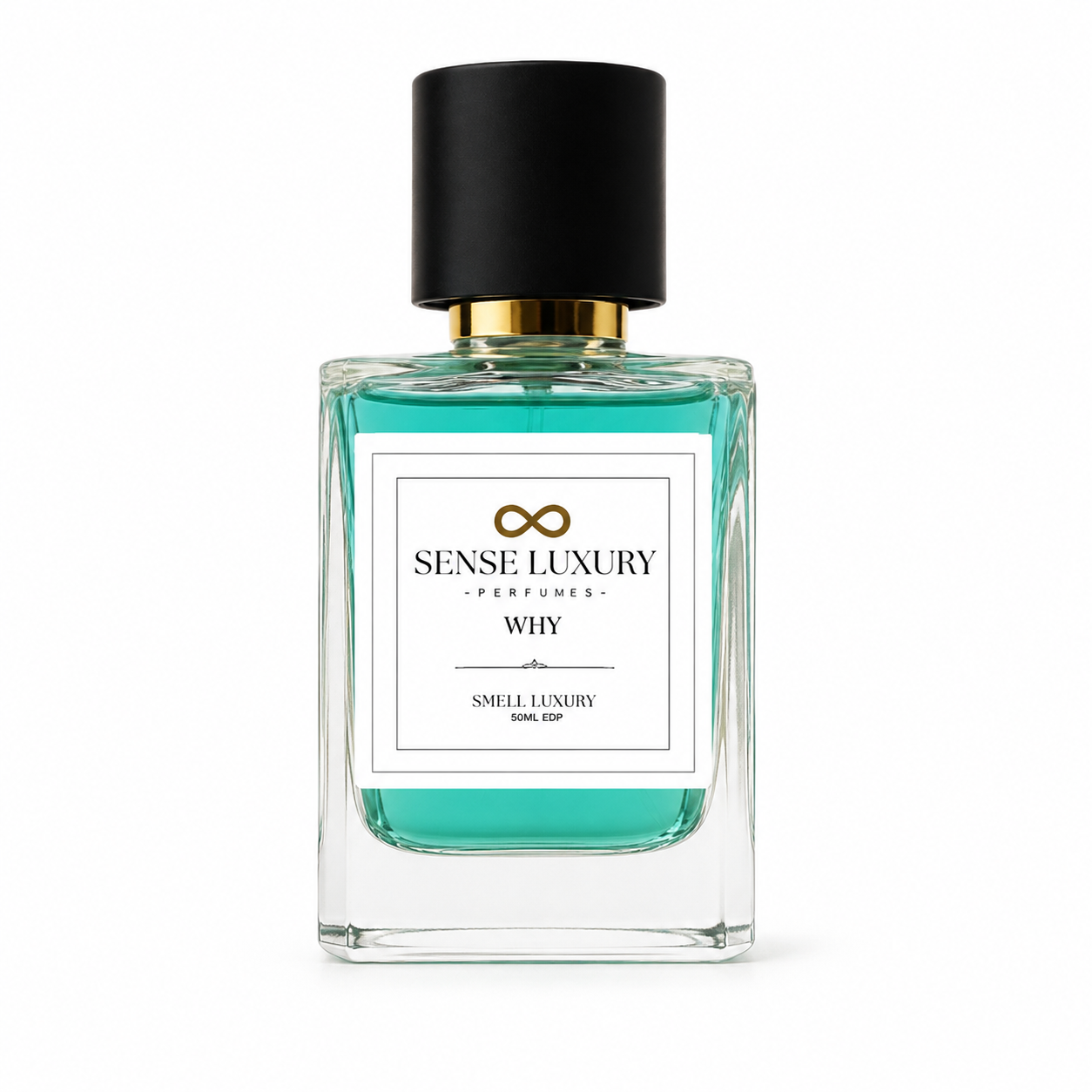
All fragrances formulated at 25% EDP concentration. Free shipping on orders above ₹999. Free returns within 24 hours of delivery.
Frequently Asked Questions About Perfume for Women
What is the top 10 women's perfume?
Honestly, a fixed global top 10 doesn't really exist, bestseller lists shift by market and retailer every season. A more useful move: shortlist two or three Eau de Parfum options across floral, amber, and gourmand families, then see how each actually performs on your skin over a full day.
What is the best perfume for women?
There isn't one universal answer, skin chemistry, occasion, and climate decide the best perfume for women far more than any single bottle does. An Eau de Parfum at 15–25% concentration in a note family you already love (floral, amber, or gourmand) is the safest place to start, balancing longevity with everyday wearability across most Indian weather conditions.
Which perfume lasts 24 hours for women?
Nothing truly lasts 24 hours without a reapplication, anyone promising that isn't being straight with you. Parfum or Extrait de Parfum, at 20–40% oil concentration, comes closest at 8–12+ hours in cool, dry conditions. In hot, humid Indian weather, a well-formulated 25% EDP perfume for women applied to damp, pulse-point skin typically delivers the closest realistic result to all-day wear.
Which perfume do girls use most?
Floral is still the most-worn category among women worldwide, at roughly 28% of total fragrance revenue, with gourmand vanilla-led scents the fastest-growing pick among younger buyers (Scento, 2026). Women overall account for 70.7% of global fragrance spend, more than double the men's segment (Grand View Research, 2025).
Which is India's no. 1 perfume brand?
Depends which shelf you're standing in front of, no brand wins every segment at once. By sales volume, Vini Cosmetics' Fogg leads the mass-market segment thanks to its price and near-universal availability. In the premium tier, international designer houses under L'Oréal and Coty hold the strongest brand equity, while Ajmal Perfumes owns real mindshare in the oud and attar category domestically.
What are the top 5 selling perfumes?
Bestseller lists shift constantly by retailer and season, so there's no fixed global top 5 by SKU. By note family, floral, oriental/amber, gourmand/vanilla, citrus/aromatic-fresh, and musk-forward blends consistently rank as the five top-performing categories for women worldwide, with floral holding the largest share at roughly 28% of global fragrance revenue (Scento, 2026).
Key Takeaways on Perfume for Women
- Eau de Parfum (15–25%) is the practical sweet spot for daily wear in Indian climate, balancing longevity with comfort.
- Top notes fade in 10–30 minutes. Always judge a perfume for women by its heart and base notes on skin, not on paper.
- Women drive 70.7% of global fragrance revenue, and floral remains the most-worn note family, though gourmand and musk are growing fastest.
- No single brand is "No. 1" across every price tier. Fogg leads mass-market volume; designer houses lead premium brand equity.
- Apply to damp pulse points right after a shower for the longest realistic wear time from any concentration.
Ready to shop by concentration and note family instead of guesswork? Browse the full perfume for women range, formulated at 25% EDP for Indian climate and priced at ₹799 for 50ml.
This article was researched and drafted with AI-assisted tools using publicly available industry data (Grand View Research, Technavio, Scento, Fragplace) and reviewed and edited by the Sense Perfume editorial team before publishing.